The Rise of Promotion-Driven Poker Experiences in Account-Free Mobile Settings Blending Tournaments and Cash Games
Written by Rosa Bennett · May 17, 2026
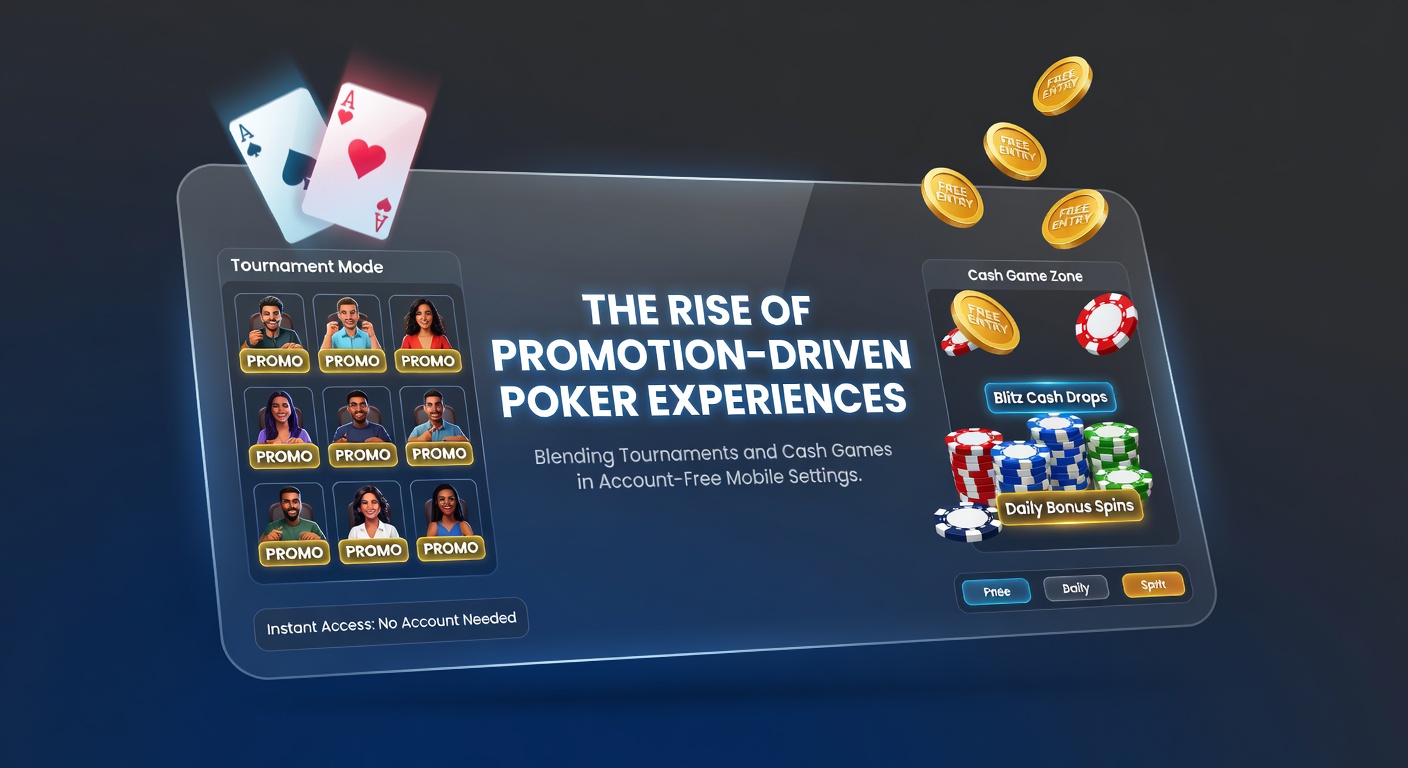
The Rise of Promotion-Driven Poker Experiences in Account-Free Mobile Settings Blending Tournaments and Cash Games
Account-free mobile poker platforms have expanded rapidly since 2024 as operators introduce instant-access formats that combine tournament structures with cash game tables, and promotions such as deposit matches plus leaderboard rewards now serve as central features rather than add-ons. Data from regulatory filings shows mobile poker traffic rose 28 percent year-over-year through early 2026, with account-free models accounting for most of the increase in new user sessions across multiple jurisdictions.
Account-Free Entry and Instant Play Mechanics
Players access games through temporary session tokens rather than permanent registrations, which reduces onboarding time to under thirty seconds on most platforms. Operators deliver this speed by linking deposits directly to gameplay credits, and research published by the Australian Gambling Research Centre indicates that 64 percent of surveyed mobile poker users in 2025 preferred environments without stored personal data. These systems still maintain compliance through device-level verification and transaction logs that regulators can audit on request.
Blending occurs when a single lobby displays both scheduled tournaments and open cash tables side by side, allowing seamless movement between formats without logging out or transferring funds. One platform reported in May 2026 that 41 percent of active sessions included at least one switch between tournament and cash formats within the same hour, a pattern tracked through session analytics shared with state gaming boards.
Promotions That Drive Participation
Bonus structures typically include instant stake multipliers upon first deposit, daily reload offers, and targeted leaderboard prizes tied to both tournament finishes and cash game volume. Figures released by the Nevada Gaming Control Board reveal that promotion-related rake contributions grew 19 percent in the first quarter of 2026 compared with the prior year, suggesting these incentives sustain longer play sessions. Operators structure the rewards so that tournament entry fees and cash game blinds both count toward bonus unlock thresholds, which encourages users to sample both formats rather than remain in one mode.
Examples include time-limited freerolls that require a small cash game buy-in to enter, and cash-back programs that return a percentage of losses across mixed-format activity. Industry reports from the European Gaming and Betting Association note that such cross-format promotions increased average session duration by 14 minutes on participating apps during late 2025 testing periods.
Integration of Tournaments and Cash Games
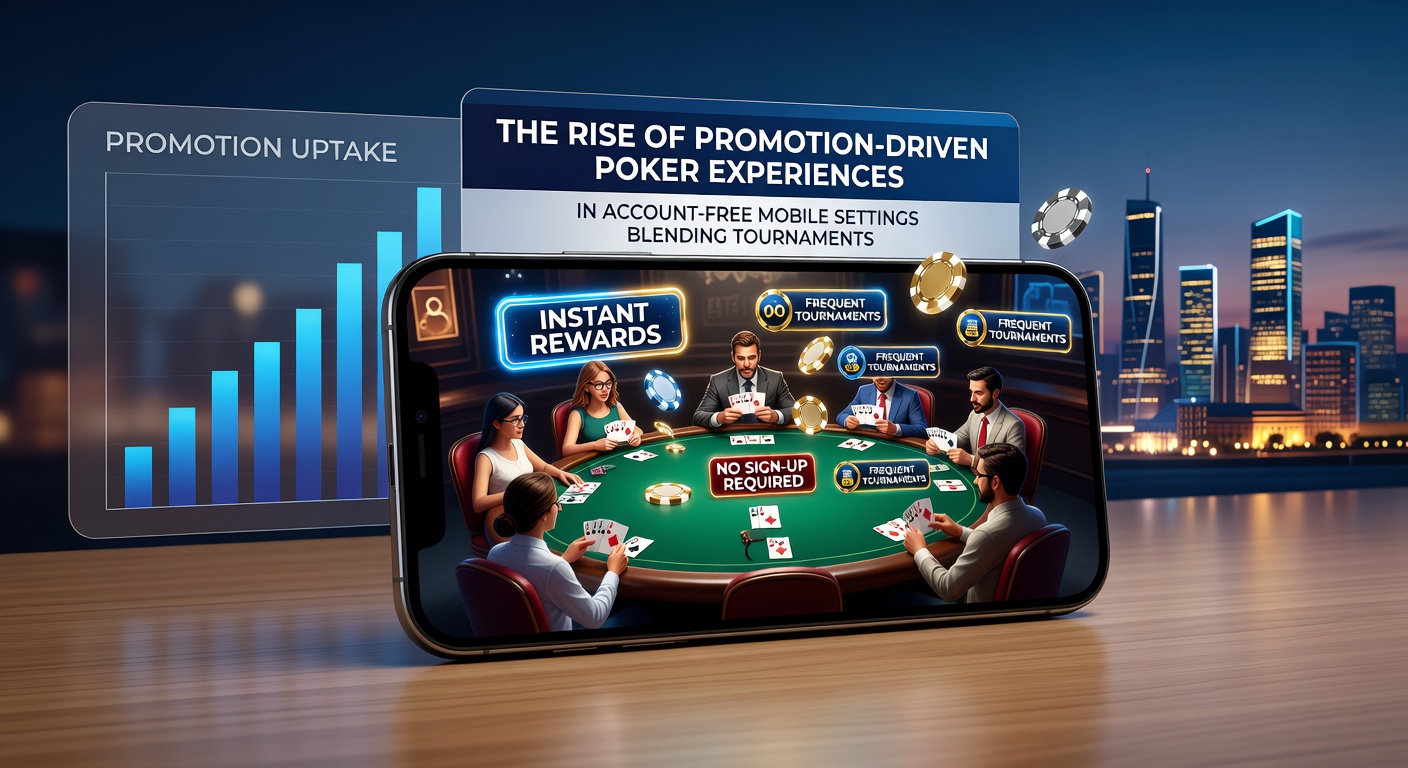
Technical implementations rely on unified wallet systems that track both tournament chips and cash balances in real time, while lobby filters let users sort by stake level, start time, or promotion eligibility. Observers note that this integration reduces friction because players no longer need separate applications or repeated verifications when shifting between game types. Data collected from platform telemetry in May 2026 showed that blended lobbies retained users 23 percent longer than single-format interfaces during peak evening hours.
Regulatory frameworks in several regions now require clear separation of funds between tournament and cash environments even when they share the same screen, and operators meet these rules through transparent ledger displays that update after every hand or elimination. This transparency supports responsible play tools such as session timers and loss limits that apply across both formats simultaneously.
Market Data and Regional Trends
North American operators reported that account-free mobile poker generated 37 percent of total online poker revenue in Q1 2026 according to aggregated filings with state regulators. In contrast, European markets showed slightly lower adoption rates but higher average promotion redemption among existing users, per statistics compiled by national gaming authorities. These regional differences reflect varying rules on data storage and bonus advertising rather than differences in player preference.
Academic studies from university gaming research groups have begun examining how promotion-driven blending affects decision-making speed, with preliminary findings indicating that users make more frequent format switches when bonus progress is displayed prominently. Such research continues to inform operator design choices without altering core regulatory requirements for fair play and fund segregation.
Conclusion
Promotion-driven experiences in account-free mobile settings continue to shape how tournaments and cash games coexist on the same platforms. Metrics from 2025 and early 2026 demonstrate sustained growth in blended sessions, supported by instant-access mechanics and cross-format incentives that align with existing regulatory standards. As operators refine these models, data collection and compliance reporting remain central to maintaining transparency across jurisdictions.