Streamlined Onboarding Processes and Their Effects on Poker Player Allocation Between Instant Play and Scheduled Events
Written by Logan Foster · Jul 7, 2026

Streamlined Onboarding Processes and Their Effects on Poker Player Allocation Between Instant Play and Scheduled Events
Streamlined onboarding in poker platforms connects directly to shifts in how participants allocate their time between real-time cash games and scheduled tournament structures, and data from multiple markets shows measurable changes in these patterns. Observers note that reduced registration steps allow quicker access to live dealer tables, while scheduled events retain appeal for those seeking structured competition with defined start times. According to industry reports compiled across North American and European operators, platforms with instant account verification processes recorded higher entry rates into real-time formats during peak hours in early 2026.
Player Movement Patterns in Real-Time Environments
Real-time poker options, which include cash games running continuously, benefit when onboarding removes friction points such as lengthy verification or deposit delays. Figures from platform analytics indicate that players complete setup in under two minutes on optimized systems, leading to immediate table selection rather than deferred participation. Those who studied these metrics found that distribution tilts toward live cash sessions when funding pathways activate without prior account creation, whereas scheduled tournaments draw steadier but smaller groups who plan sessions around fixed calendars. In July 2026, several major operators reported sustained activity spikes in real-time dealer duels coinciding with simplified mobile entry points, though tournament ladders maintained consistent registration volumes from repeat participants.
Scheduled Play and Retention Dynamics
Scheduled events rely on advance planning, so onboarding speed influences initial discovery more than ongoing commitment once players enter the system. Research indicates that faster sign-up sequences expand the pool of potential entrants across both formats, yet the conversion rate into tournaments depends on promotional timing and prize structures rather than setup alone. Experts have observed that hybrid environments blending cash tables with event ladders see participants testing real-time options first, then migrating to scheduled play when bankrolls stabilize. Data from Australian regulatory summaries highlights how account-free pathways increased overall session starts without proportionally boosting late registrations for multi-day competitions.
Geographic and Platform Variations
Distribution effects vary by region because regulatory frameworks shape onboarding requirements differently. Canadian provincial data shows platforms operating under streamlined rules experienced greater balance between real-time cash volume and tournament fields compared to stricter verification zones. In contrast, markets with mandatory multi-step checks recorded slower uptake in instant-play formats, directing more traffic toward pre-scheduled events that accommodate planning buffers. One study revealed that European operators adopting single-click funding integrations noted redistribution favoring live dealer cash games during evening windows, while morning activity leaned toward tournaments with guaranteed prize pools.
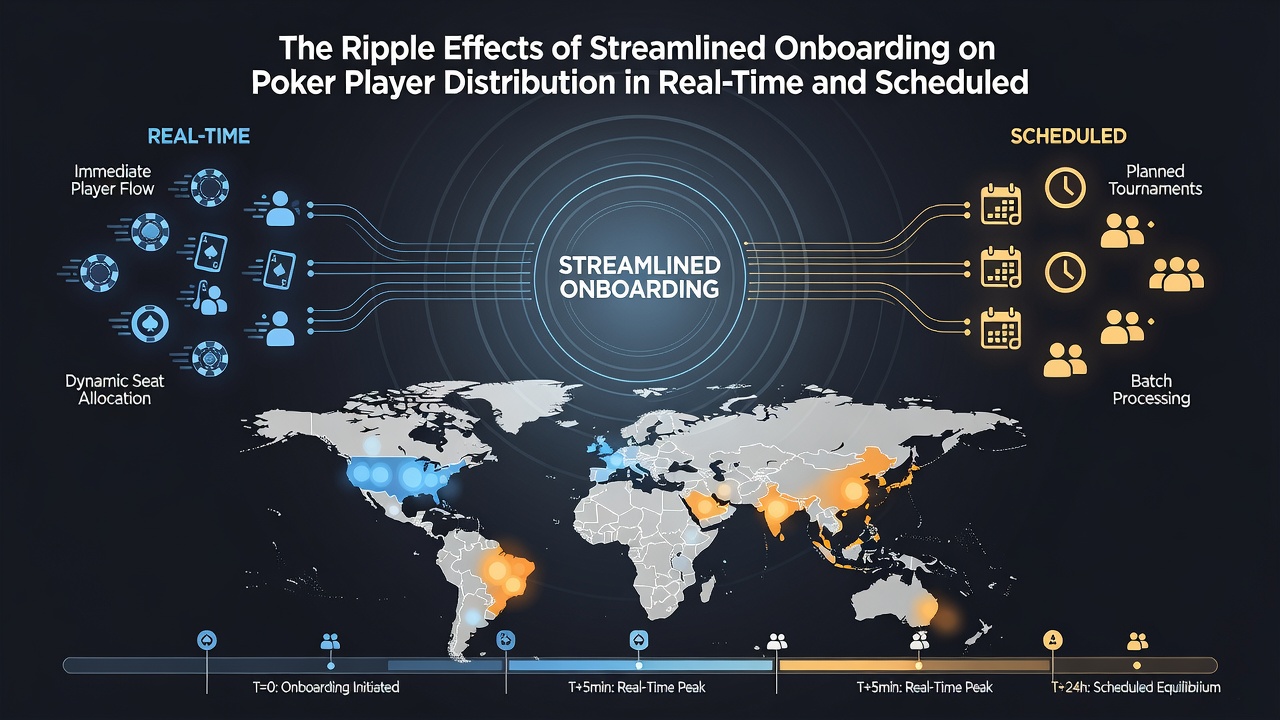
Platform-specific tools further modulate these outcomes. Mobile applications with biometric verification accelerate access to both play types, yet the choice between formats often hinges on session length preferences documented in user logs. Observers note that real-time options capture shorter, spontaneous engagements, whereas scheduled competitions attract longer commitments once players navigate initial setup. Reports from the Nevada Gaming Control Board detail how operators tracking these flows adjusted table capacities and event calendars in response to observed migration trends during the first half of 2026.
Funding Integration and Format Selection
Immediate funding channels integrated into onboarding sequences amplify shifts toward real-time play because players encounter fewer barriers when moving chips to active tables. Industry analyses from multiple providers confirm that deposit velocity correlates with higher occupancy rates at cash games, while tournament participation remains steadier across funding speeds. Those who've examined cross-format data find that players frequently begin in real-time settings after quick onboarding then transition to scheduled events as familiarity grows. This pattern held across device platforms where account creation steps were minimized, producing measurable redistribution without altering overall engagement totals.
Conclusion
Evidence from operational metrics demonstrates that streamlined onboarding influences poker player distribution by accelerating entry into real-time cash options while supporting steady participation in scheduled tournaments. Regional differences and platform features determine the scale of these reallocations, yet the core connection between reduced setup friction and format selection persists across documented cases. Continued monitoring of these dynamics provides operators with actionable insights into balancing live dealer availability against event scheduling demands.