Navigating Deposit Velocity Effects on Entry Patterns into Mobile Hold'em Events that Merge Cash Tables with Live Dealer Options in Zero-Account Setups
Written by Devon Hartmann · May 22, 2026
Navigating Deposit Velocity Effects on Entry Patterns into Mobile Hold'em Events that Merge Cash Tables with Live Dealer Options in Zero-Account Setups
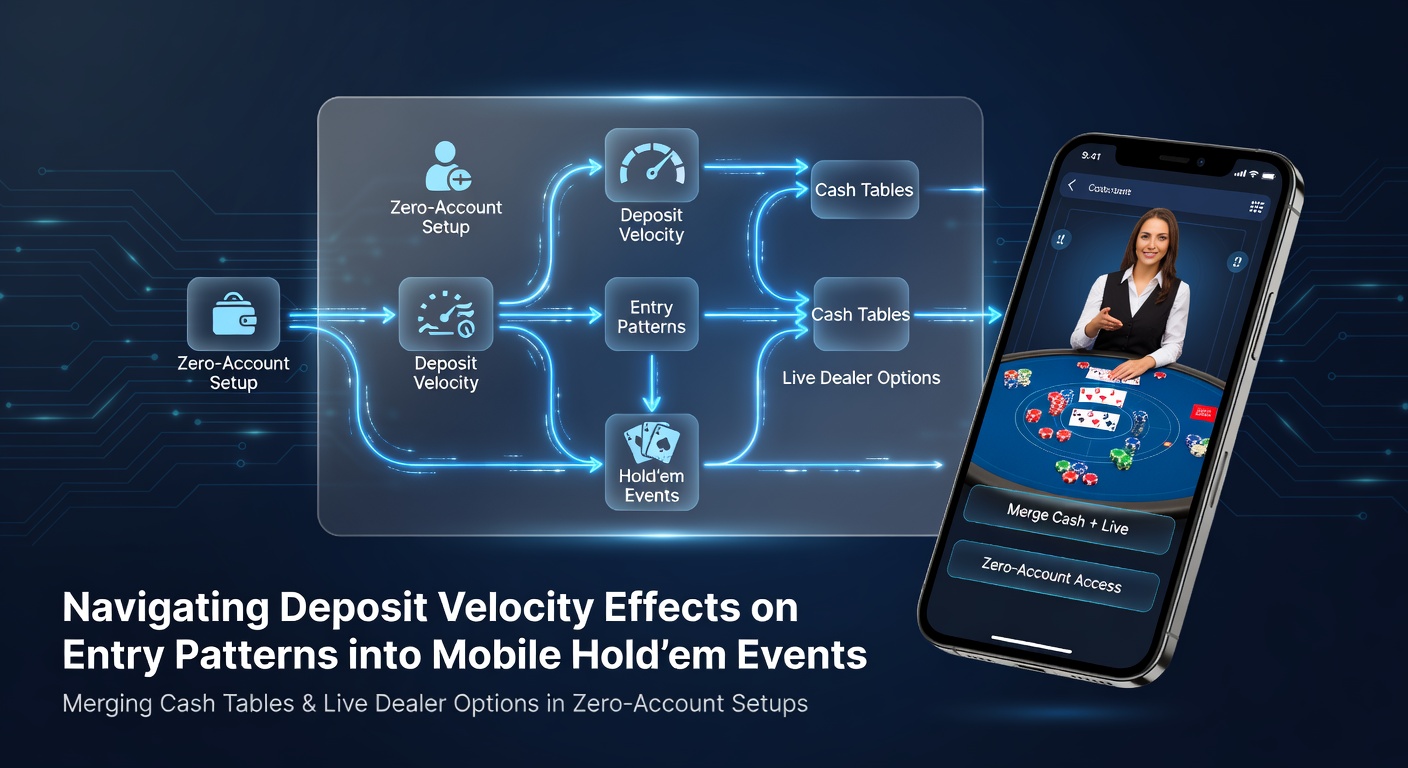
Deposit velocity refers to the speed at which players complete funding transactions in account-free environments, and this metric shapes entry timing into hybrid mobile Hold'em events that combine cash tables with live dealer tournaments. Platforms operating without registration requirements track how quickly deposits clear because faster funding correlates with immediate access to both ring games and scheduled live dealer fields. Data from multiple operators indicates that velocity patterns influence whether participants choose quick cash sessions or commit to structured tournament entries that run alongside dealer streams.
Understanding Deposit Velocity in Zero-Account Mobile Platforms
Zero-account setups allow instant deposits through digital wallets and banking apps, yet the time between transaction initiation and table credit varies by method and region. Observers note that players using instant bank transfers often enter cash tables within seconds of deposit confirmation while those relying on card processing encounter brief delays that shift their focus toward live dealer events starting later in the hour. Research conducted across North American and European markets shows these timing differences create distinct entry clusters rather than uniform participation throughout the day.
Operators record velocity at multiple touchpoints including deposit authorization, fund clearance, and first hand dealt. Figures reveal that sub-30-second clearances dominate mobile Hold'em traffic during evening hours when live dealer options run parallel to cash tables. Slower velocities above two minutes push participants into pre-registered tournament seats because those events tolerate delayed arrivals through late registration windows.
Entry Pattern Shifts Observed in Hybrid Events
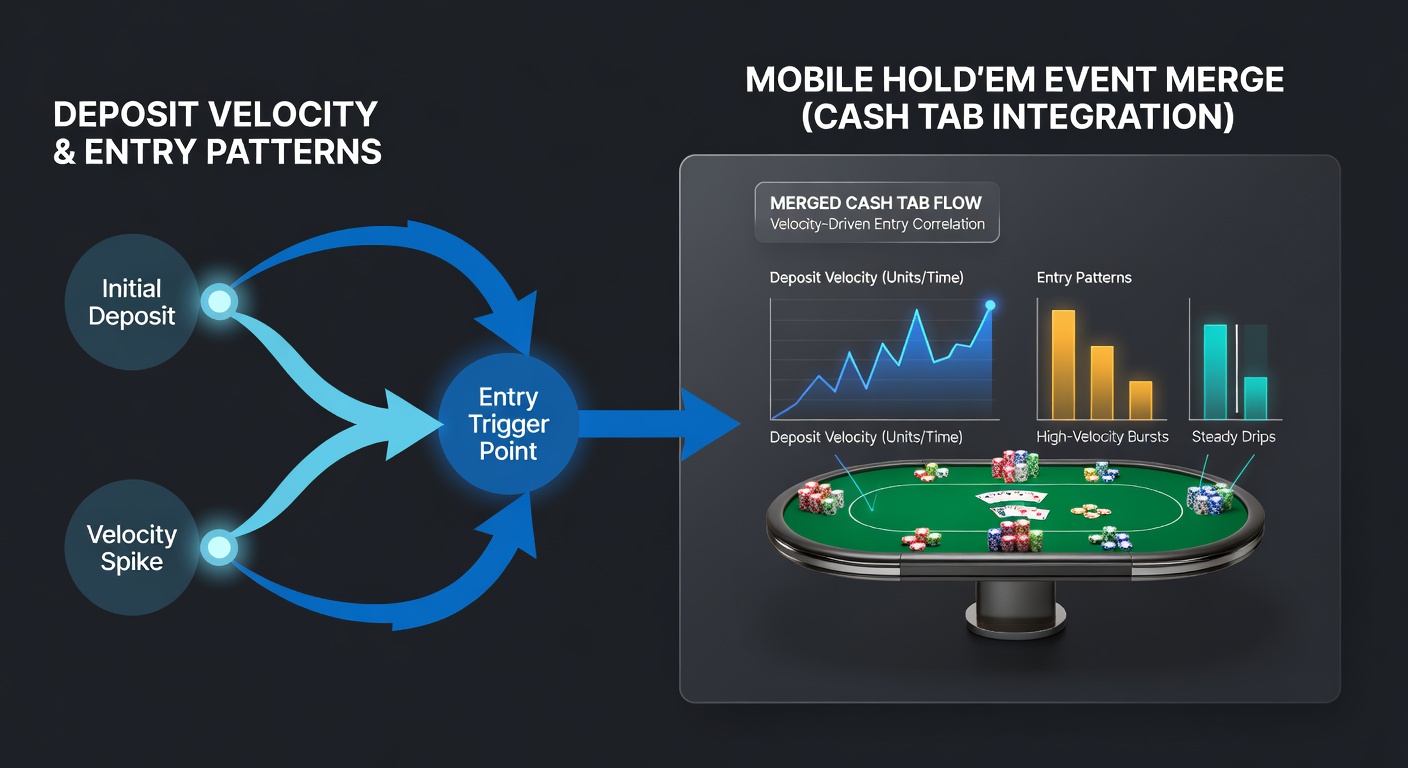
Hybrid formats merge cash tables with live dealer tournaments so players move between formats without leaving the same lobby. When deposit velocity stays high, entry rates into cash tables rise sharply in the first ten minutes after funding while tournament registrations build more gradually. Australian Communications and Media Authority reports document similar clustering in 2025 data where faster deposits aligned with increased cash game volume during peak periods.
Patterns change when velocity drops because players with pending transactions often select live dealer events that begin on fixed schedules. This behavior creates predictable waves where cash table traffic peaks immediately after deposit surges and tournament fields fill during slower funding windows. Those studying these systems find that velocity thresholds around 45 seconds mark the transition point between cash-dominant and tournament-dominant entries.
Factors Influencing Velocity and Participation
Payment method selection directly affects velocity outcomes because e-wallet options clear faster than traditional cards in most zero-account systems. Geographic regulations also play a role since certain jurisdictions mandate additional verification steps that extend clearance times. Data indicates Canadian players experience different velocity distributions compared with Australian users due to varying banking integrations and processor availability.
Time of day interacts with velocity because peak hours attract more instant funding methods while off-peak periods see higher use of slower options. Live dealer availability further modulates entries since events with real dealers often run on fixed timetables that accommodate variable deposit speeds. Industry reports from the European Gaming and Betting Association highlight how these combined elements produce measurable shifts in participation across hybrid mobile Hold'em offerings.
Regional Data and Platform Responses
Platforms respond to velocity patterns by adjusting event schedules and bonus structures that reward rapid entries. In May 2026 several operators introduced velocity-based incentives that grant additional starting chips to players who fund accounts within 20 seconds of lobby access. These adjustments aim to balance cash table and live dealer participation rather than allow one format to dominate during high-velocity periods.
Studies from the University of Nevada Gaming Research Center track how velocity influences overall session length and format switching. Their findings show that players who deposit quickly tend to sample both cash tables and live dealer tournaments within the same session while slower depositors commit to one format. This distinction helps explain why hybrid events maintain steady attendance across different funding speeds.
Conclusion
Deposit velocity continues to shape entry patterns in mobile Hold'em events that blend cash tables with live dealer options inside zero-account frameworks. Operators monitor clearance times to predict traffic flow between formats and adjust scheduling accordingly. Regional differences in payment infrastructure and regulatory requirements create varied velocity distributions that affect how participants navigate these hybrid environments. Ongoing data collection from multiple markets supports continued refinement of event structures that accommodate both rapid and measured funding patterns.