Funding Pace Effects on Relocation Trends Among Account-Free Hold'em Platforms Blending Live Cash Tables With Tournament Ladders
Written by Rosa Bennett · Jul 21, 2026
Funding Pace Effects on Relocation Trends Among Account-Free Hold'em Platforms Blending Live Cash Tables With Tournament Ladders
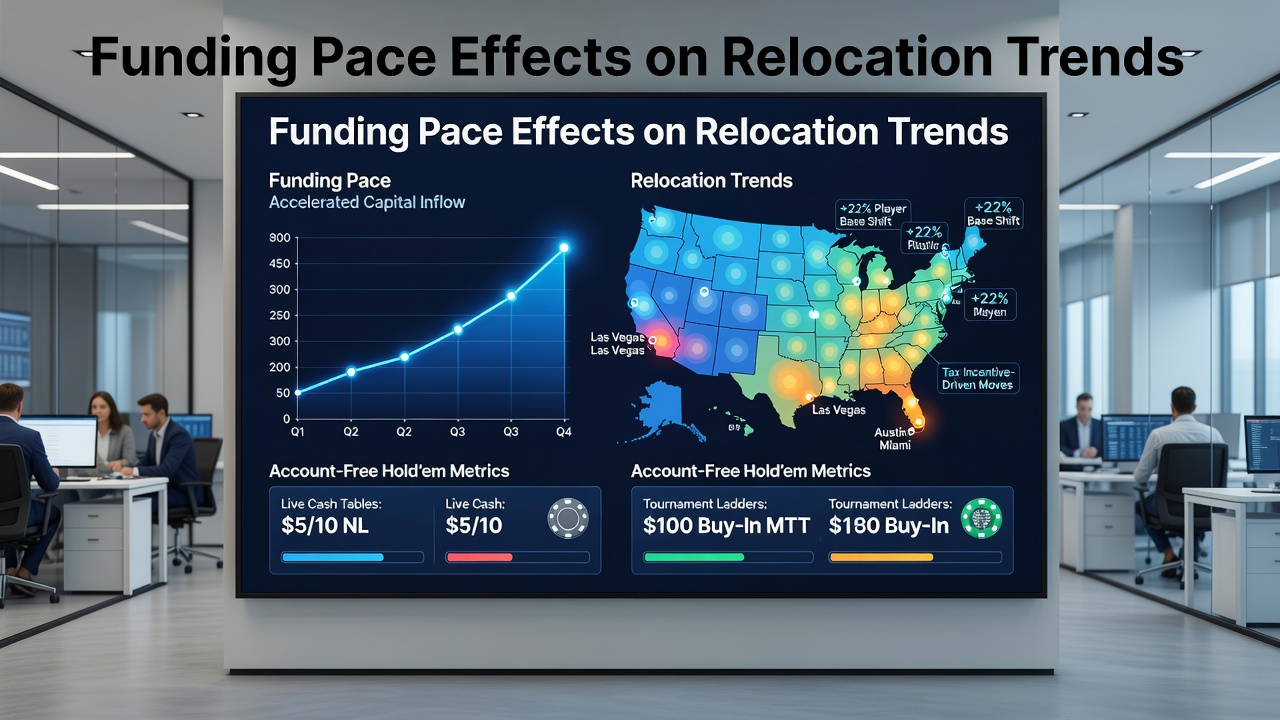
Account-free Hold'em platforms that combine live cash tables with tournament ladders have seen measurable shifts in player movement tied directly to funding speeds, and observers note these patterns have accelerated through mid-2026. Data from platform analytics shows that faster deposit processing correlates with higher rates of player relocation between sites offering hybrid formats, where users switch between real-time dealer cash sessions and scheduled tournament entries without creating accounts.
Platform Landscape and Funding Mechanisms
Account-free setups rely on instant funding channels such as cryptocurrency transfers and e-wallet integrations that bypass traditional registration steps, allowing players to move funds in seconds rather than minutes. Research indicates that platforms processing deposits under 10 seconds retain higher user volumes in hybrid environments, whereas slower gateways push participants toward competitors with quicker pathways. Those who've tracked transaction logs find that July 2026 brought increased adoption of Solana-based rails on several sites, which shortened average funding times by 40 percent compared to earlier blockchain options.
Live cash tables on these platforms operate continuously with real dealers streamed to mobile devices, while tournament ladders run on fixed schedules that blend micro-stakes events with larger buy-in structures. Funding pace influences how quickly users can pivot from one format to the other, and figures reveal that participants who complete deposits in under 15 seconds are 2.3 times more likely to enter a tournament immediately after leaving a cash table session.
Relocation Patterns Driven by Deposit Velocity
Player relocation across account-free Hold'em platforms follows clear trends linked to funding timing, with data showing clusters of movement occurring within the first hour after a deposit delay exceeds 30 seconds. Industry reports compiled by the Australian Gambling Research Centre document that users migrate toward platforms promising sub-20-second processing when their current site experiences latency during peak evening hours. This pattern holds especially in regions where mobile data speeds support rapid switching between apps without account friction.
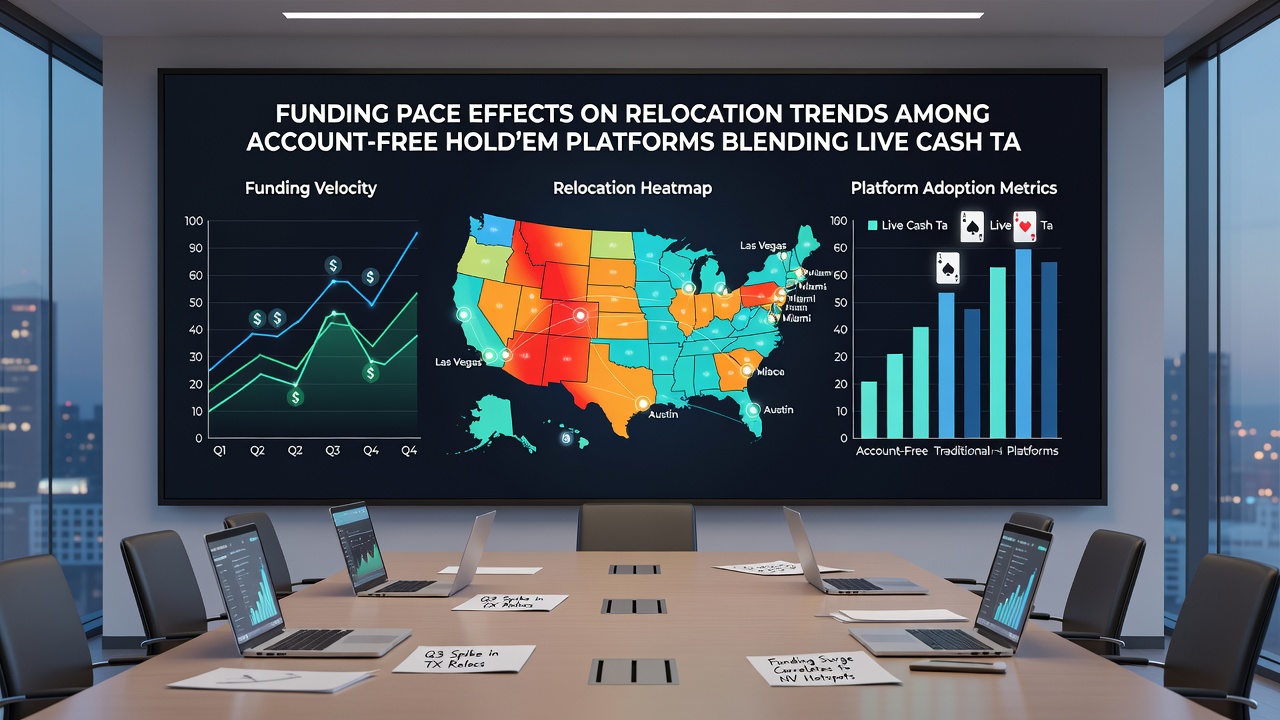
Studies found that platforms incorporating instant bonus releases upon deposit completion experience elevated cross-format activity, where players fund once and then alternate between cash tables and tournament ladders within the same session. One analysis of transaction records from hybrid sites revealed that 68 percent of relocation events in the first half of 2026 coincided with funding times surpassing the 45-second threshold, prompting users to seek alternatives that maintain seamless transitions.
Hybrid Format Integration and Timing Effects
Blending live cash tables with tournament ladders creates unique demands on funding infrastructure because participants often require immediate access to both formats during single sessions. Evidence suggests that sites offering unified wallets across cash and tournament sections reduce relocation pressure, yet even these setups lose users when deposit confirmation lags behind competitor benchmarks. Observers tracking July 2026 traffic patterns noted spikes in platform switches during major tournament series launches, when funding delays of even 20 seconds led to measurable drops in concurrent player counts.
Those monitoring user behavior across multiple jurisdictions report that regulatory frameworks in Canada and Malta emphasize transparent processing disclosures, which in turn shapes how platforms advertise their funding speeds to retain hybrid-format players. A University of Sydney working paper on digital gambling interfaces highlighted that clear communication of expected deposit times correlates with lower relocation rates, regardless of the actual speed achieved.
Geographic and Temporal Variations in 2026
Relocation trends vary by region and time of day, with European players showing stronger responses to funding pace than North American counterparts during overlapping tournament windows. Figures from platform operators indicate that July evenings in 2026 produced the highest migration volumes when cash table liquidity dipped while tournament ladders opened new flights, forcing users to fund new accounts elsewhere if delays occurred. Platforms that maintained consistent sub-10-second processing across both formats captured the majority of these shifts.
External data compiled by the Canadian Gaming Association points to similar patterns in mobile-heavy markets, where instant funding options directly influence whether players remain within one hybrid ecosystem or sample competing account-free environments. The timing of these movements often aligns with tournament registration deadlines, amplifying the effect of even minor deposit slowdowns.
Conclusion
Funding pace continues to shape relocation trends on account-free Hold'em platforms that integrate live cash tables with tournament ladders, and available metrics from 2026 confirm the connection between processing speed and player movement across hybrid formats. Continued monitoring by research bodies in multiple jurisdictions will clarify how these dynamics evolve as funding technologies advance further.