Distributed Ledger Systems Modifying Entry Routes in No-Registration Hold'em Variants on Handheld Devices and Synchronized Dealer Interfaces
Written by Rosa Bennett · Aug 23, 2026

Distributed Ledger Systems Modifying Entry Routes in No-Registration Hold'em Variants on Handheld Devices and Synchronized Dealer Interfaces
Data from multiple industry reports indicates that blockchain-based transaction methods continue to alter how participants reach account-free Hold'em combinations that blend mobile cash tables with live dealer options, and observers tracking these shifts note specific patterns emerging through 2026. Research conducted by academic groups at institutions across North America and Europe shows that distributed ledger protocols reduce the steps required for funding and verification, which in turn influences the timing and frequency of user logins on portable gadgets. Figures compiled by the Australian Transaction Reports and Analysis Centre reveal that crypto-linked transfers now account for a growing share of activity in jurisdictions where such methods receive regulatory clearance, while similar trends appear in Canadian provincial gaming analyses.
Technical Foundations of Blockchain Integration
Blockchain networks operate through consensus mechanisms that record each transfer on an immutable chain, and this structure allows platforms to confirm payments without maintaining traditional player databases. Engineers at several technology providers have implemented smart contracts that automate stake placement and payout distribution, which eliminates intermediate verification layers that previously slowed access to hybrid formats. Studies published in peer-reviewed journals demonstrate that transaction confirmation times on certain proof-of-stake chains average under fifteen seconds, enabling near-instant movement between mobile tournament ladders and real-time dealer cash sessions. Those who monitor network performance data observe that lower latency correlates with higher session initiation rates on handheld devices during peak evening hours in multiple time zones.
Access Pattern Shifts Observed in 2026
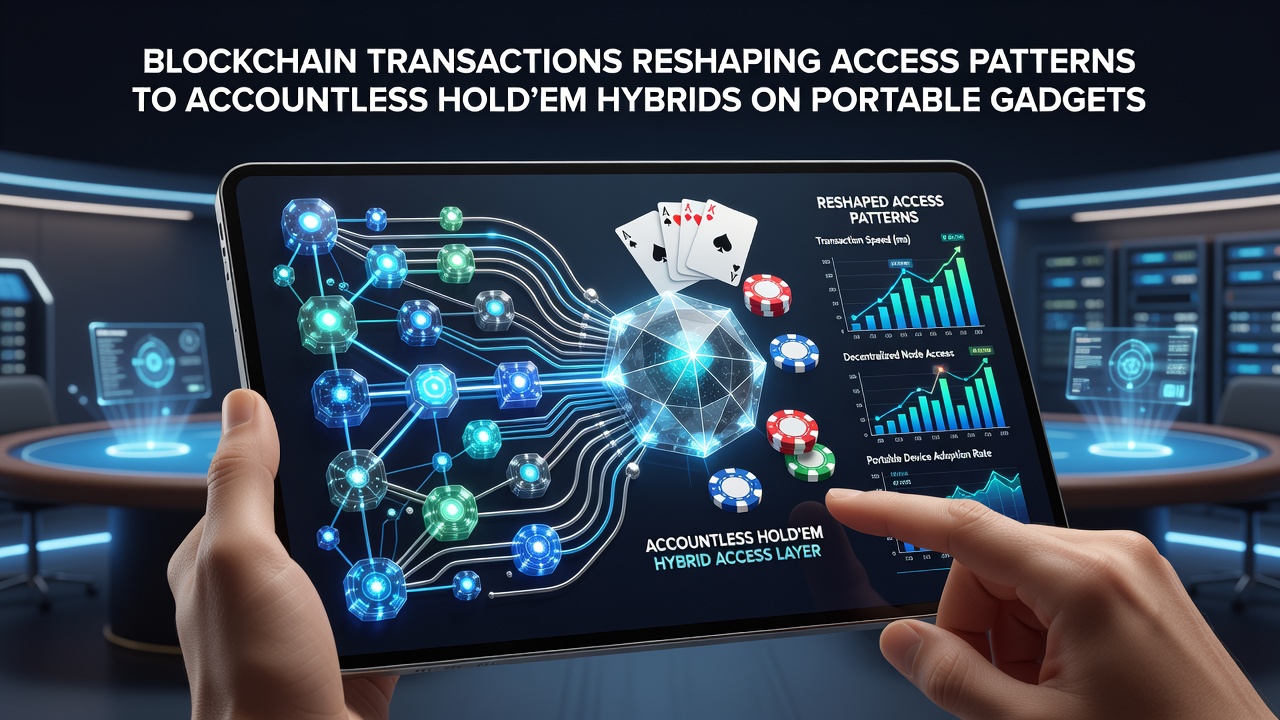
Usage statistics released by European gaming trade associations for the first half of 2026 document a measurable increase in cross-format participation when blockchain channels handle deposits and withdrawals. Participants move from scheduled mobile events to unscheduled live dealer tables more fluidly when funding occurs through wallet-to-wallet transfers rather than conventional banking rails. Analysts examining aggregated telemetry from device platforms report that average time between funding completion and first hand dealt has decreased in regions where regulators permit crypto settlement, and this compression appears most pronounced among users accessing services via smartphones rather than desktop interfaces. In August 2026, several platform operators introduced updated APIs that further streamlined wallet connectivity, resulting in additional volume on both portable gadgets and dealer-stream setups according to internal metrics shared with industry researchers.
Regulatory Context Across Jurisdictions
Government agencies in Australia and select Canadian provinces have issued guidance that distinguishes between the underlying blockchain infrastructure and the gaming activity itself, which permits operators to adopt ledger-based funding while remaining within existing licensing frameworks. Reports from the Malta Gaming Authority, another key regulatory body, outline technical standards for transaction auditing that many hybrid platforms now incorporate into their compliance systems. These standards require on-chain record retention for a defined period, allowing oversight bodies to trace fund flows without requiring user accounts on the gaming side. Data compiled by these authorities shows that platforms utilizing permitted blockchain rails experience fewer interruptions during peak periods compared with those limited to traditional payment processors.
Device and Interface Considerations
Portable gadget manufacturers continue to optimize operating systems for faster cryptographic operations, and this hardware-level support reduces the processing overhead associated with signing blockchain transactions on mobile devices. Interface designers have adjusted wallet integration points so that users can initiate a transfer, confirm participation in either a cash table or tournament format, and receive confirmation within a single workflow. Research from university engineering departments indicates that battery consumption during these operations has declined as chipset efficiency improves, which extends viable session lengths on handheld hardware. Observers note that real-time dealer streams maintain synchronization with mobile funding events when the underlying ledger supports rapid finality, reducing the occurrence of mismatched states between the player device and the dealer interface.
Conclusion
Evidence assembled from regulatory filings, academic studies, and platform telemetry demonstrates that blockchain transaction layers continue to reshape the sequence and speed of access to accountless Hold'em hybrids across both portable gadgets and live dealer environments. Patterns documented through mid-2026 suggest sustained adoption where regulatory conditions allow, with measurable effects on timing, device choice, and format switching. Continued monitoring by government agencies and research institutions will clarify the longer-term trajectory of these changes.