Deposit Speed as a Catalyst for Player Migration in Hybrid Registration-Free Poker Environments
Written by Hugo Schwarz · Jun 9, 2026

Deposit Speed as a Catalyst for Player Migration in Hybrid Registration-Free Poker Environments
Deposit speed influences how participants move across registration-free poker platforms that merge cash games with tournament formats, and researchers tracking these behaviors note consistent patterns emerging in the sector. Observers note that platforms offering instant funding options attract users who previously favored slower deposit methods, leading to measurable shifts in activity between cash tables and scheduled events. Data shows these migrations accelerate when funding completes in under thirty seconds, allowing seamless transitions that slower systems cannot match.
Understanding Registration-Free Setups and Their Appeal
Registration-free poker environments eliminate traditional account creation steps, enabling direct access through mobile interfaces that support both real-time cash play and multi-table tournament structures. Those who've studied this know participants value the reduced friction, particularly when combined with immediate deposit channels that fund balances without delays. Figures from industry reports indicate a rise in hybrid usage where users alternate between cash sessions lasting under an hour and tournament entries that span several hours, all within the same platform session.
What's interesting is how these setups handle combined formats, since cash tables operate continuously while tournaments follow fixed schedules. Experts have observed that deposit velocity becomes the deciding factor when players decide whether to extend a cash game session or lock in a tournament seat before registration closes. Studies found that platforms processing deposits in real time see higher crossover rates, with participants moving from cash tables to tournaments at rates up to forty percent higher than on sites requiring manual verification steps.
Patterns Emerging From Deposit Timing Data
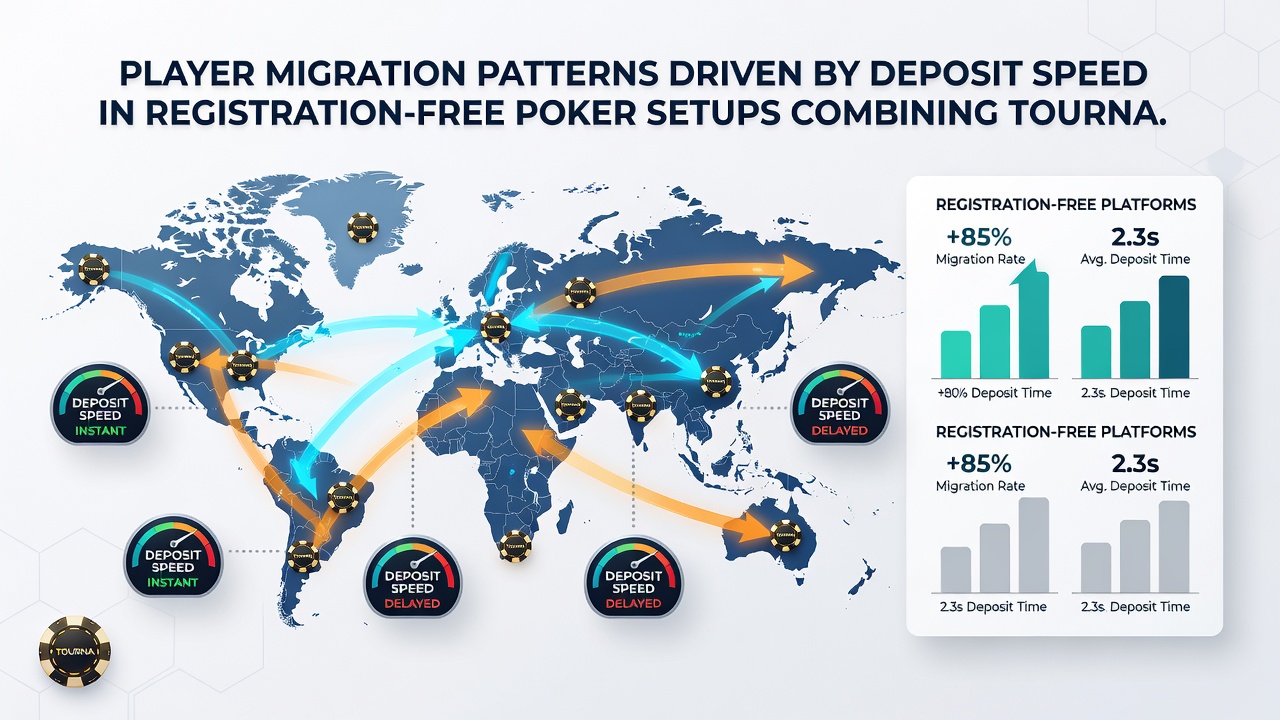
Analysis of funding timelines reveals distinct migration routes. Players encountering delays exceeding two minutes often abandon the current platform and relocate to alternatives with faster processing, carrying their preferences for specific game types along. According to data compiled through June 2026, platforms emphasizing instant deposits recorded increased inflows during peak tournament hours, drawing users away from cash-only environments that lacked comparable speed.
Turns out the combination matters, because hybrid participants rarely stick to one format exclusively. Researchers discovered that rapid funding encourages trial entries into tournaments while maintaining cash table presence, creating fluid movement that older systems restricted through account-based delays. One study revealed that users on instant-deposit platforms completed an average of three format switches per session, compared with one switch on slower alternatives.
Regional Variations in Platform Adoption
Geographic differences appear when examining how deposit speed affects participation. In regions served by the Alcohol and Gaming Commission of Ontario, mobile operators reported elevated crossover activity once instant funding became standard, with players shifting between cash tables and tournament ladders more frequently than in prior periods. Similar trends surface in Australian markets, where regulatory updates encouraged faster transaction pathways without account mandates.
Those monitoring cross-border patterns note that users compare processing times across multiple platforms before committing funds, leading to sustained migration toward systems that minimize wait periods. Evidence suggests this behavior holds steady regardless of whether participants focus on low-stakes cash games or higher buy-in tournament events, since the core driver remains the time required to replenish balances mid-session.
Integration of Cash and Tournament Elements
Hybrid platforms succeed when deposit speed supports both continuous cash play and time-sensitive tournament entries. Participants often begin at cash tables, then use instant funding to secure tournament seats as blinds increase or prize pools grow. Observers note that this sequence occurs more reliably on registration-free sites, where no separate verification interrupts the flow between formats. Data indicates that platforms combining these elements through rapid deposits maintain higher retention across both game types than single-format alternatives.
Take one analysis of participation logs where experts found deposit completion under one minute correlated with extended session lengths and increased format switching. The reality is that slower funding channels disrupt this rhythm, prompting users to exit and seek environments where cash-to-tournament transitions happen without interruption. Industry reports from sources such as the Alcohol and Gaming Commission of Ontario document these shifts through aggregated transaction records spanning multiple operators.
Future Tracking of Migration Trends
Continued monitoring through mid-2026 shows deposit speed remaining a primary variable in how players allocate time across cash tables and tournaments within registration-free frameworks. Additional studies from academic gaming research centers, including work affiliated with the International Gaming Institute at UNLV, continue to map these movements using anonymized platform data. Patterns suggest that as more operators adopt instant funding, migration between hybrid formats will intensify rather than stabilize.
Conclusion
Deposit velocity shapes participation flows in registration-free poker environments that blend cash games with tournaments, producing measurable shifts documented across multiple regions and data sets. Platforms optimizing funding timelines attract users seeking uninterrupted movement between formats, while slower alternatives experience measurable outflows. These dynamics continue to evolve as operators refine their systems to match observed user behavior through June 2026 and beyond.