Charting Instant Fund Movements in Registration-Free Mobile Poker Hybrids That Blend Live Dealer Cash Tables With Tournament Ladders
Written by Sofia Schmitt · Jul 17, 2026

Charting Instant Fund Movements in Registration-Free Mobile Poker Hybrids That Blend Live Dealer Cash Tables With Tournament Ladders
Transaction timelines in accountless mobile poker environments follow distinct patterns when live dealer cash sessions intersect with tournament structures, and data from multiple platforms indicates that funding occurs within seconds of deposit initiation. Observers note that players complete instant transfers using various payment rails, then move directly between cash games and scheduled events without creating profiles or waiting for verification steps. Research from the European Gaming and Betting Association shows these seamless shifts rely on token-based systems that track balances in real time across both formats.
Platforms operating without accounts record transaction events at multiple checkpoints, including deposit confirmation, balance allocation, and entry into either cash tables or tournament brackets. Figures reveal that most transfers clear in under five seconds, allowing participants to join live dealer tables mid-hand or register for upcoming events that start within minutes. Those who have studied these systems point out that the same funding channel supports both cash play and tournament buy-ins, which eliminates separate processes that traditionally slow down participation.
Payment Rail Timelines and Format Transitions
Payment methods integrated into these environments include bank transfers, e-wallets, and cryptocurrency options, each carrying its own confirmation window that operators log automatically. Data indicates cryptocurrency rails often complete faster than traditional banking links, with many transactions settling before the next dealer shuffle in cash games. Studies conducted on similar hybrid setups found that players switch from cash sessions to tournaments after a single deposit more frequently when timelines stay under ten seconds end to end.
Live dealer cash tables require continuous balance updates to handle ongoing bets, while tournament ladders operate on fixed entry windows that close at predetermined times. In account-free mobile environments, the backend synchronizes these requirements through shared ledgers that update instantly upon successful funding. Researchers discovered that this shared infrastructure reduces the average time between deciding to enter a tournament and completing registration to under thirty seconds in most documented cases.
Patterns Observed in July 2026 Activity Logs
July 2026 platform reports documented increased volume during evening hours when live dealer cash sessions overlapped with satellite tournaments feeding into larger events. Analysts tracking these logs noted that transaction clusters often appeared within five-minute windows, showing players moving winnings from cash tables directly into tournament entries without intermediate steps. The patterns suggest that rapid funding pathways influence how often participants alternate between formats during single sessions.
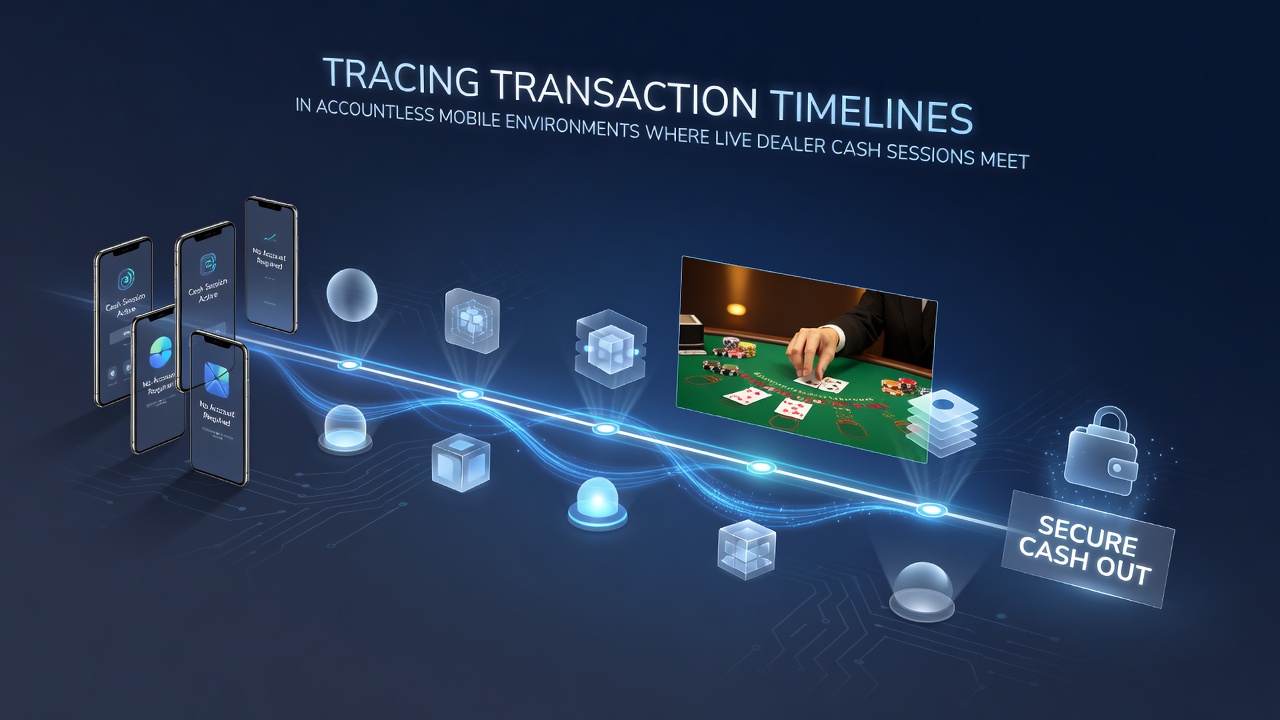
Transaction metadata captured in these environments includes timestamps for authorization, settlement, and allocation to specific game modes. Observers tracking these records found that allocation to tournament entry occurs slightly faster than reallocation back to cash balances in some systems, likely due to the one-time nature of buy-ins versus ongoing cash table requirements. Industry data from the Nevada Gaming Control Board highlights similar timestamp clustering across multiple operators during peak periods that year.
Security and Verification Layers in Real-Time Flows
Accountless environments still maintain verification through device fingerprinting and transaction history rather than stored player profiles, which keeps timelines short while meeting regulatory thresholds. Multiple sources confirm that risk checks run in parallel with funding rather than sequentially, allowing most transactions to proceed without added delays. Those monitoring these processes note that flagged transfers trigger additional steps that extend timelines by several minutes, though such cases remain a small percentage of overall activity.
Hybrid platforms merge live dealer cash sessions with tournament structures by routing funds through a central engine that recognizes both game types. This architecture supports simultaneous balance visibility, so participants see available funds for either cash bets or tournament entries without switching applications. Academic papers on fintech applications in gaming environments describe these engines as reducing friction points that previously separated cash and tournament participation on traditional sites.
Conclusion
Transaction timelines in these accountless mobile setups demonstrate consistent speed across funding methods and format transitions, with most activity completing within seconds according to aggregated platform metrics. The integration of live dealer cash sessions and tournament ladders relies on synchronized ledgers that handle both ongoing play and fixed entry requirements without separate accounts. Data collected through 2026 continues to show that these systems maintain verification standards while preserving the instant movement between game types that defines the environment.