Beyond the Login: How Quick Start Features Reshape Texas Hold'em Experiences on Mobile Devices
Written by Rosa Bennett · Jul 24, 2026
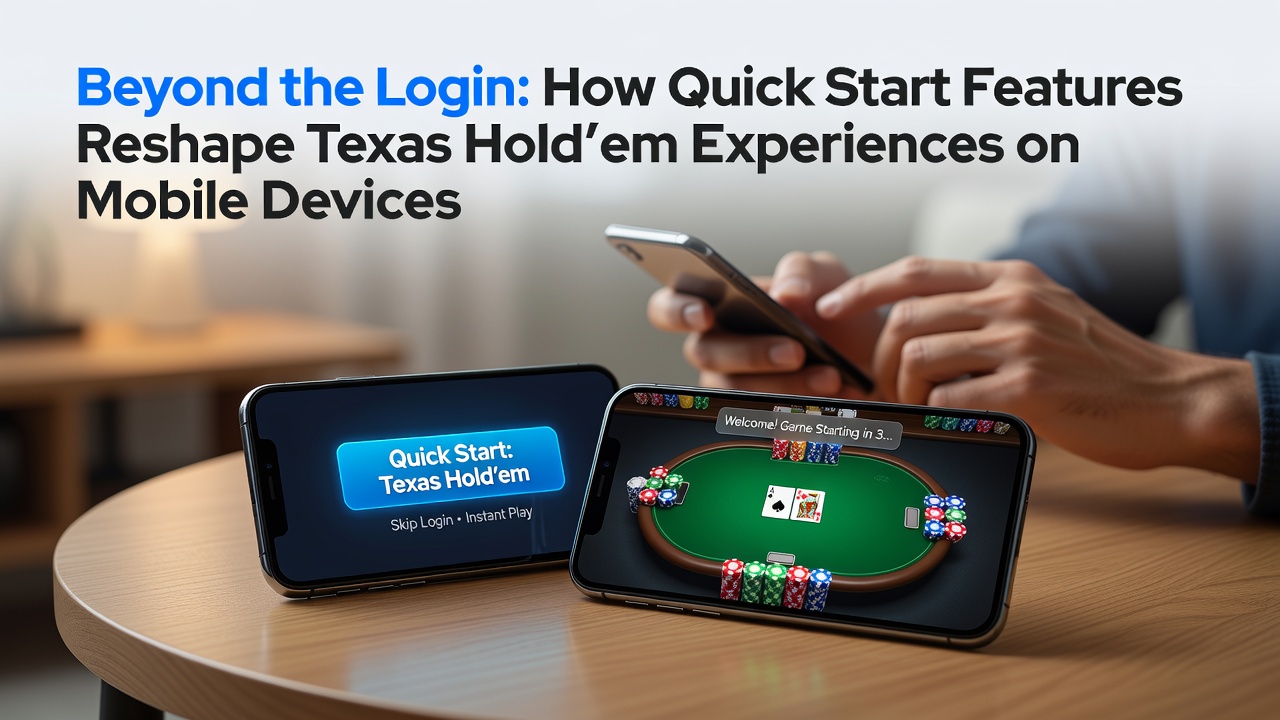
Beyond the Login: How Quick Start Features Reshape Texas Hold'em Experiences on Mobile Devices
Quick start features on mobile Texas Hold'em platforms allow players to enter games through streamlined entry points that bypass traditional registration sequences, and these tools have shifted how sessions begin across cash tables and tournament formats alike. Data from industry tracking services shows increased session frequency when one-tap table access replaces multi-step logins, while device analytics indicate shorter intervals between app launch and first hand dealt. Observers note that mobile interfaces now preload basic game parameters so participants reach active play without creating profiles or confirming details upfront.
Core Mechanics Behind Instant Table Entry
Platforms integrate quick start options by embedding guest mode protocols alongside saved device preferences, which lets users select stake levels and join waiting lists in seconds rather than minutes. Research from mobile gaming reports indicates these pathways reduce average entry time by measurable margins compared to account-based flows, and figures reveal higher retention rates when players can switch between cash games and sit-and-go events without re-entering credentials. Experts tracking 2026 platform updates have documented how push notifications trigger direct table joins, routing participants straight into ongoing hands or new tournament lobbies during peak evening windows.
Shifts in Session Patterns During July 2026
July 2026 brought expanded mobile tournament schedules that coincided with major live series extensions, and quick start functions enabled seamless transitions from casual cash tables to scheduled events without separate sign-up steps. Platform telemetry collected across multiple operators shows participants initiating hybrid sessions more often when instant entry buttons appear on home screens, while data indicates geographic clusters in regions with high smartphone penetration rates driving the largest volume increases. Those monitoring user flows report that pre-configured avatar and chip defaults further compress setup phases, allowing focus on betting decisions once cards appear.
Device compatibility plays a central role, because quick start protocols adapt to varying screen sizes and operating systems so that both iOS and Android users reach identical table views through unified code paths. Studies compiled by regional gaming associations demonstrate that reduced friction correlates with extended play durations when connectivity remains stable, whereas interruptions drop when background processes maintain session state across app switches. One analysis released by the European Gaming and Betting Association highlights adoption rates climbing steadily through mid-2026 as operators refine gesture-based controls for raising and folding.
Integration With Broader Platform Ecosystems
Quick start elements connect directly to live dealer streams and scheduled competitions, creating pathways where a player can move from a no-wait cash table into a tournament registration queue using the same mobile session. Figures released by the Nevada Gaming Control Board for 2025-2026 periods track rising mobile participation metrics that align with these integrated features, and cross-platform logs show concurrent activity spikes during major series overlaps. Researchers examining behavioral datasets note that location-based prompts sometimes surface relevant tables based on time of day or prior stake preferences, further accelerating decisions about which format to enter next.
Security layers remain embedded even in accelerated flows, because encryption standards and device fingerprinting operate in the background to verify transactions and maintain game integrity without visible delays. Academic papers from Canadian institutions studying digital gaming environments have examined how such layered protections support compliance while preserving the speed users expect from quick start designs. Observers point to continued refinement of these balances as operators prepare for additional summer events extending into late July 2026.
Conclusion
Quick start capabilities continue to define access patterns for Texas Hold'em on mobile devices by compressing entry sequences and linking multiple game types within single sessions. Metrics collected through 2026 reflect sustained growth in participation tied to these functions, with platform operators adjusting interfaces to match evolving device capabilities and user expectations across regions. The resulting structure supports fluid movement between formats while preserving operational standards required by regulatory frameworks.