Analyzing Funding Timing Patterns That Steer Choices Between Real-Time Dealer Formats and Scheduled Competitions on Device Platforms Without Prior Setup
Written by Hugo Schwarz · Jun 2, 2026
Analyzing Funding Timing Patterns That Steer Choices Between Real-Time Dealer Formats and Scheduled Competitions on Device Platforms Without Prior Setup
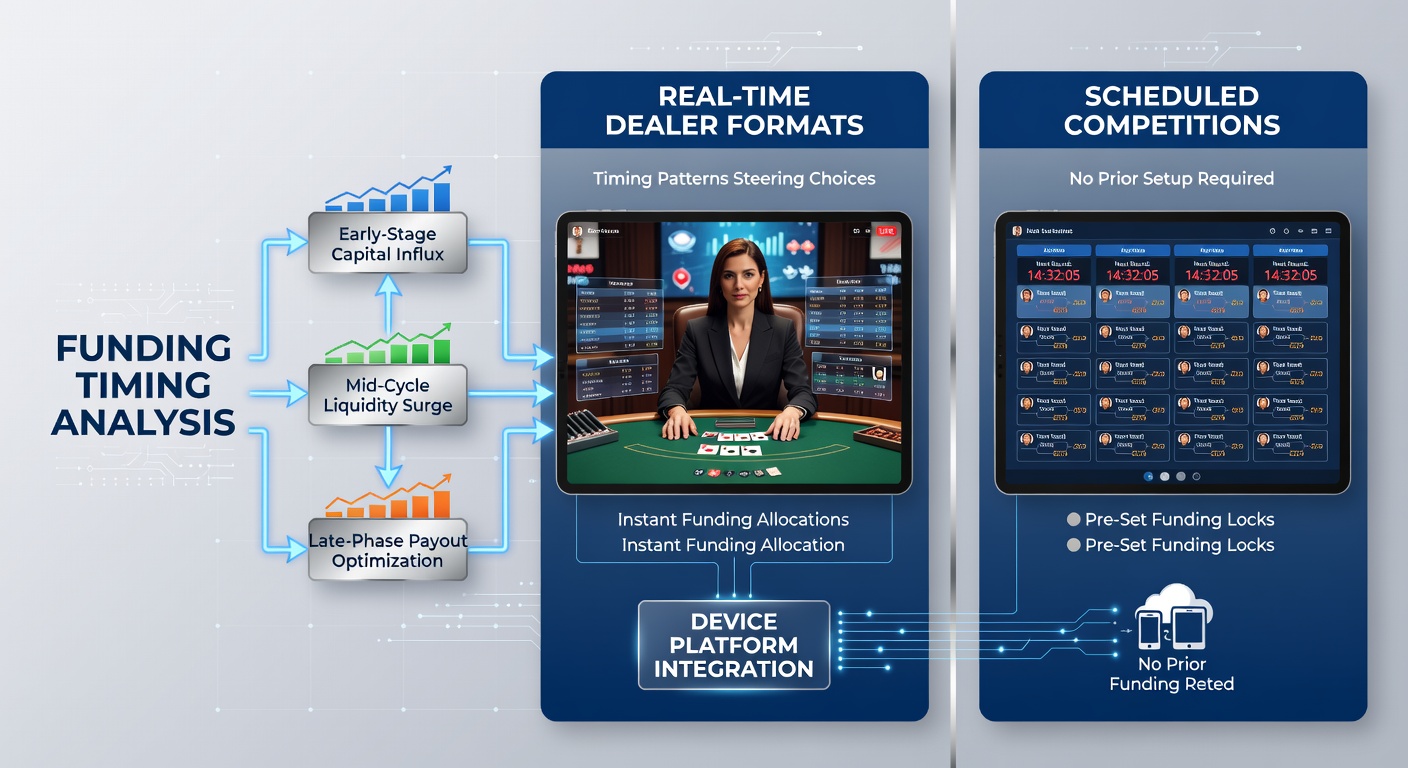
Device platforms that operate without accounts have reshaped how players access Texas hold'em options, and funding timing emerges as a central factor in deciding between live dealer cash sessions and pre-planned tournament ladders. Real-time dealer formats deliver immediate table access once deposits clear, whereas scheduled competitions require alignment with fixed start times and entry windows. Observers note that the speed of fund availability directly influences these selections across mobile interfaces.
Real-Time Dealer Formats and Instant Access Patterns
Live dealer cash games on these platforms allow entry as soon as payment confirmation arrives, often within seconds on optimized apps. Players who complete deposits during peak hours frequently transition straight into active tables without delays, because the system processes transactions in real time and seats participants at ongoing hands. Data from platform analytics shows higher engagement in these formats during evening periods when funding channels operate at full capacity, while slower transaction windows push some users toward alternatives that accommodate waiting periods.
Scheduled Competitions and Timing Considerations
Tournament ladders follow set calendars, with registration closing minutes before start times, and this structure rewards those who plan deposits in advance. Participants often monitor funding status hours ahead to avoid missing buy-in deadlines, especially on platforms where verification steps occur after initial deposits. Research indicates that players targeting larger prize pools tend to initiate funding earlier in the day, creating predictable spikes in activity around known event schedules that repeat weekly or monthly.
Funding Velocity Effects on Format Selection
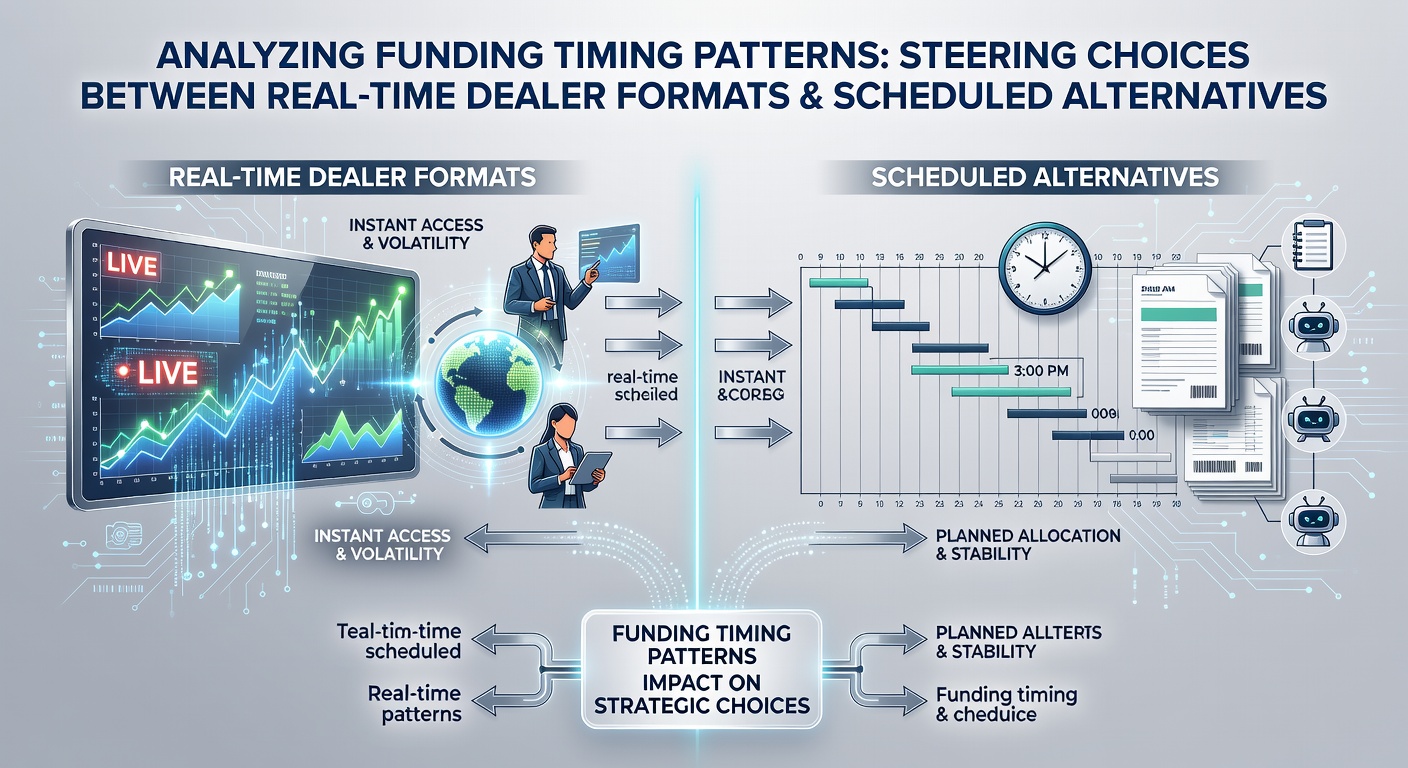
Patterns emerge when examining how deposit completion times correlate with format preferences. Faster funding routes steer users toward real-time dealer tables because the immediate availability matches the spontaneous nature of cash sessions, yet slower pathways encourage shifts to tournaments where start times provide built-in buffers. One study of mobile hold'em traffic revealed clusters of activity around lunch hours and late evenings, periods when instant deposit methods align better with live dealer availability than with rigid tournament clocks.
Platforms track these movements through session logs, and figures reveal that users completing deposits under two minutes show stronger preference for dealer formats, whereas those experiencing longer processing intervals gravitate toward events listed on daily calendars. This dynamic holds across regions where regulatory frameworks support rapid payment gateways, including systems monitored by the Australian Communications and Media Authority.
Observed Trends Through Mid-2026
Activity logs compiled through June 2026 highlight consistent correlations between funding speed and format choice on account-free platforms. Morning deposits often feed into afternoon tournaments because players have time to confirm entries, while evening funding clusters support extended dealer sessions that run without fixed endpoints. Industry reports from sources such as the Canadian Gaming Association document similar timing sensitivities in North American markets, where mobile users adjust selections based on transaction reliability rather than promotional incentives alone.
Additional data layers show regional variations, with European users demonstrating steadier patterns around scheduled events due to different banking hours, whereas Asia-Pacific traffic leans toward real-time options during overlapping global schedules. These observations stem from aggregated platform metrics that track entry timestamps alongside deposit confirmations without capturing individual identities.
Platform Design Influences
Interface layouts on device platforms further amplify funding timing effects by displaying available tables and upcoming events side by side. Users who see live dealer seats populate immediately after deposit approval tend to remain in cash formats, while those encountering countdown timers for tournaments adjust their funding windows accordingly. Observers point to seamless integration of payment modules as a driver that reduces friction and reinforces the link between deposit speed and format selection.
Technical updates rolled out in early 2026 improved processing consistency on several major networks, resulting in measurable upticks in hybrid participation where players sample both formats within single sessions. Such shifts occur most visibly when funding completes without interruption, allowing direct movement between dealer tables and event lobbies based solely on timing availability.
Conclusion
Funding timing patterns continue to shape decisions on registration-free mobile platforms by aligning deposit completion with the operational realities of live dealer formats versus scheduled competitions. Platform data through mid-2026 underscores these connections across diverse markets, and ongoing refinements in payment systems maintain the relevance of timing analysis for understanding user navigation between cash sessions and tournament structures.